
Celbridge is a historic town in County Kildare where visitors find parks, old buildings, canals, and cultural landmarks close to Dublin city. The guide to things to do in Celbridge shows locations that remain open and interesting today–estates, gardens, heritage monuments, and quiet walking routes around the village center and nearby countryside areas.
Historic Estates and Heritage Buildings
Historic estates form an important part of things to do in Celbridge because the town developed during the eighteenth century with large country houses and designed landscapes around them. Many structures remain preserved and open for visitors who want to understand the local architecture and social history of Ireland in that period.
Castletown House stands as the most known building in the area. It was built in the 1720s for William Conolly and shows classical Palladian design with long gardens and river views behind the mansion. Visitors walk through parkland paths and see restored interior rooms that present the life of the Irish political elite during that century period.
Celbridge Abbey
Celbridge Abbey is another historic place connected with the early culture of the town. The complex began as a religious foundation in medieval times, but later buildings changed into a country residence beside the River Liffey. Writer Jonathan Swift was known to visit the estate while staying near Celbridge, and stories about those visits remain part of local folklore today. The gardens and stone walls create a calm landscape where visitors walk slowly and observe different stages of Irish architectural history visible in one place.
Outdoor Walks and Canal Routes
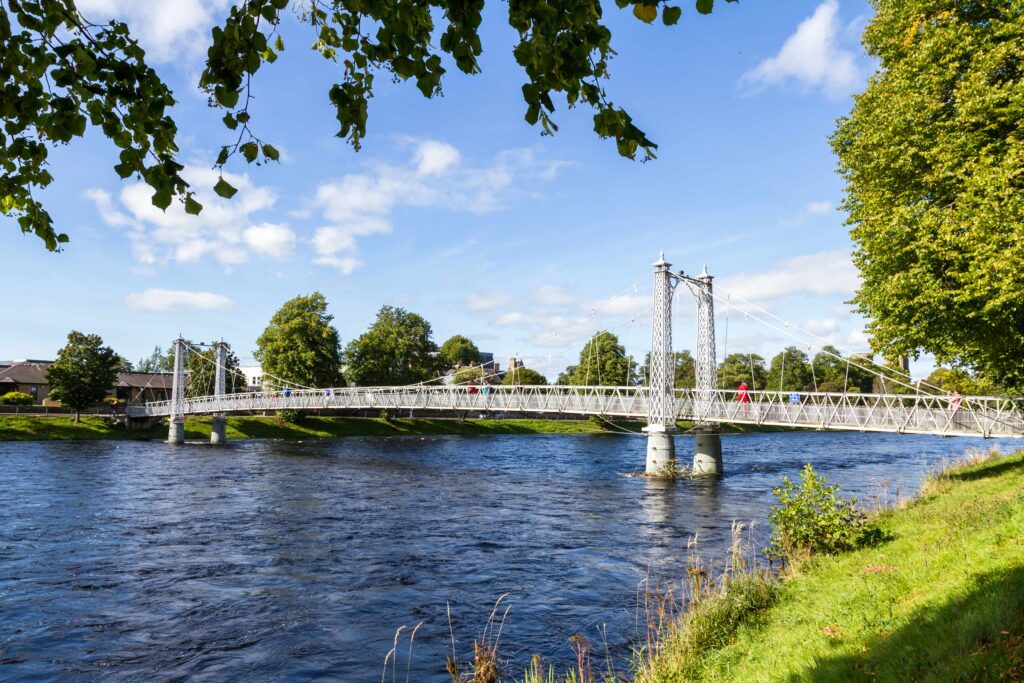
Outdoor walks also shape many things to do in Celbridge because the surrounding landscape includes canal banks farmland fields and gentle river routes suitable for relaxed exploration. Paths around the village allow visitors to see heritage sites while staying inside a short walking distance from the center street and public transport stops connecting the town with Dublin. Quiet green corridors make the area attractive for photography, bird watching, and slow travel experiences during most seasons of the year.
Several outdoor places are regularly mentioned when discussing things to do in Celbridge for walking and simple nature observation activities.
- The Wonderful Barn – an unusual corkscrew–shaped stone tower surrounded by public parkland and short walking paths
- Grand Canal Greenway – flat towpath route used by walkers, cyclists, and people observing narrowboats moving slowly
- Arthur Guinness Statue – sculpture in village center marking birthplace connection with local brewing history
- Castletown House Parklands – wide lawns, riverside paths, and woodland sections open for long peaceful walks
- St. Wolstan’s Demesne – green estate land near the river with remains of historic buildings
Cultural Landmarks and Village Centre
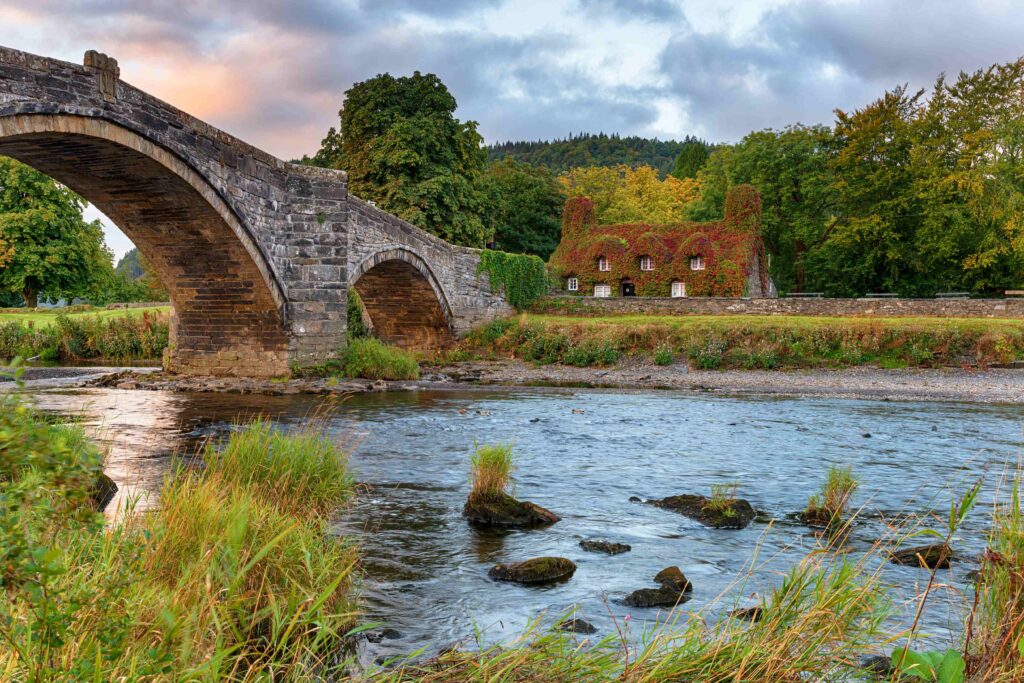
Cultural landmarks inside the village center also explain why the list of things to do in Celbridge often begins near the main street area. Shops, cafés, historic pubs, and small bridges across the river create a compact environment where visitors explore several heritage points within a short distance of each other. Street views show buildings from the eighteenth and nineteenth centuries mixed with modern life of the town today. Local information boards describe events connected with Arthur Guinness and the development of the settlement through trade farming and canal transport systems.
Common activities visitors try when exploring central Celbridge include small cultural observations and relaxed village walks.
- Photograph the Arthur Guinness statue while reading plaques about birthplace history in the square area.
- Walk along the River Liffey bridge viewpoints, watching water flow beside old stone buildings
- Visit local heritage signs explaining the development of Celbridge from rural village to commuter town
- Observe traditional pub architecture that keeps the early street character of the historic center zone
- Start a short cycling trip toward the Grand Canal greenway using quiet connecting roads near town
Celbridge today remains a quiet but historically rich destination where travelers combine architecture walks and Irish cultural memory inside one compact landscape. Exploring different locations connected with the Arthur Guinness story and Georgian estates gives a deeper understanding of how the town developed beside river and canal transport lines. Visitors who move slowly through parks, streets, and heritage paths usually discover details that casual tourism might miss–carved stones, garden layouts, old bridges, and quiet viewpoints facing the countryside around Celbridge village today and still showing layers of Irish local history.