
Celbridge is a historic town in County Kildare where many cultural landmarks remain visible in everyday village life. The guide to places to visit in Celbridge includes Georgian houses, parks, religious buildings, and monuments connected with Irish history. Visitors usually discover these locations while walking along the River Liffey and the traditional main street of the town.
Historic Houses and Estates
Large historic estates form one of the most important groups of places to visit in Celbridge. During the eighteenth century wealthy families built country residences around the village. Many of these buildings still exist and show the architectural character of that time.
Castletown House
Castletown House is the most famous historic estate in the area. The building was constructed in the early eighteenth century for William Conolly, an important political figure of that period. The house follows the Palladian architectural style, which was popular in Ireland during the Georgian era.
Visitors today explore large parklands surrounding the building. The estate includes tree–lined avenues, open lawns, and walking paths beside the River Liffey. Inside the house, restored rooms display furniture and decoration reflecting the aristocratic life of the eighteenth century.
St. Wolstan’s Estate
St. Wolstan’s Estate stands near the river and forms another historic landscape connected with Celbridge history. The property once belonged to a religious community and later became part of a larger residential estate area. Ruins of earlier buildings remain visible within the green surroundings.
The grounds include gardens and quiet walking spaces where visitors observe architecture fragments from earlier centuries. The estate area shows how religious and residential history combined in the development of the town.
Cultural and Historical Monuments
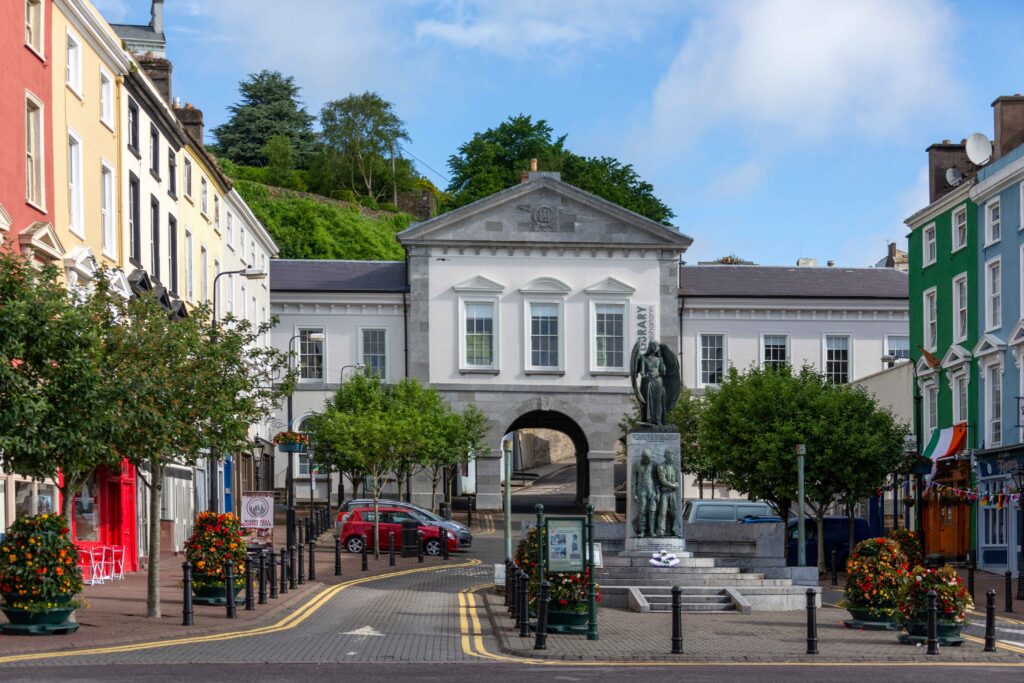
Monuments and statues also belong to the important places to visit in Celbridge because they explain the cultural memory of the town. Several of these landmarks are located close to the village center, where visitors begin their exploration.
Arthur Guinness Statue
The Arthur Guinness statue stands in the center of Celbridge and commemorates the birthplace of the famous brewer. The sculpture shows him raising a glass while standing in a relaxed posture. It was created by a local artist and installed as a tribute to the town’s historical connection with his life.
The statue attracts visitors who are interested in Irish brewing heritage and the early life of Arthur Guinness. Information plaques nearby describe the connection between the village and the Guinness family.
The Wonderful Barn
The Wonderful Barn is one of the most unusual monuments near Celbridge. It is a tall, corkscrew–shaped stone tower constructed during the eighteenth century as part of a famine relief project. Local workers built the structure while receiving wages and food during difficult agricultural years.
The building stands inside public parkland and can be seen from many directions around the surrounding fields. Spiral ramps inside the tower were once used to transport grain to upper storage levels.
Key historical features of this monument include the following:
- Corkscrew–shaped tower design
- Construction during the eighteenth–century famine period
- Storage function for grain and agricultural products
- Public park area surrounding the building today
River Walks and Village Landmarks
River landscapes also shape many places to visit in Celbridge. The River Liffey flows through the center of the town and creates natural scenery between historic buildings and bridges. Walking along the river allows visitors to observe architecture and nature together.
Celbridge Bridge Area
Celbridge Bridge is one of the most recognizable landmarks in the village. The stone structure crosses the River Liffey and connects both sides of the historic town center. Buildings around the bridge include traditional pubs, small shops, and older residential houses.
The bridge area often becomes the starting point for short heritage walks. Visitors photograph the river view and observe how historic streets developed along the water.
Village Main Street
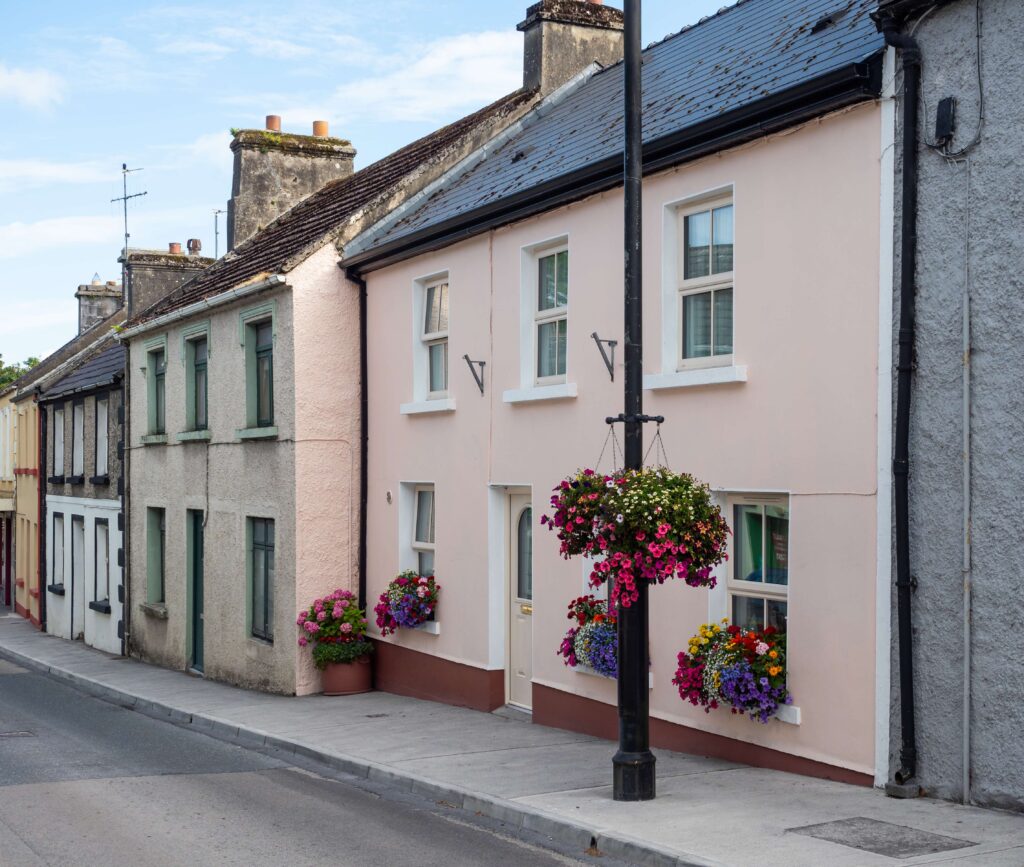
Main Street in Celbridge contains several buildings dating from the eighteenth and nineteenth centuries. The street layout follows the traditional Irish village pattern where businesses, pubs, and houses stand close together.
Walking through this area allows visitors to see details such as stone façades, narrow entrances, and historic window designs. The street environment shows how the town developed as a local trading centre.
Common activities visitors enjoy while exploring village landmarks include:
- Walking along the River Liffey paths and observing natural scenery
- Photographing historic buildings along the main street
- Visiting monuments connected with the town’s history
- Reading information boards describing Celbridge heritage
- Exploring nearby parks connected with historic estates